
The School of Mediumship · Reference guide
What Is Mediumship?
Mediumship is the practice of a person, known as a medium, reporting communication or impressions believed to come from someone in the spirit world. In contemporary Spiritualist teaching, the medium seeks to perceive, interpret and convey information attributed to a spirit communicator, usually for a living person called the sitter.
Mediumship is not one technique, and it is not interchangeable with intuition, astrology, meditation or psychic reading. It encompasses different forms of communication, expression and spiritual practice, each with its own history and responsibilities.
This guide explains the language and traditions of mediumship, how practitioners understand its different forms, what evidential work asks of a medium, and where personal belief, experience and scientific inquiry meet, and where they differ.
In brief
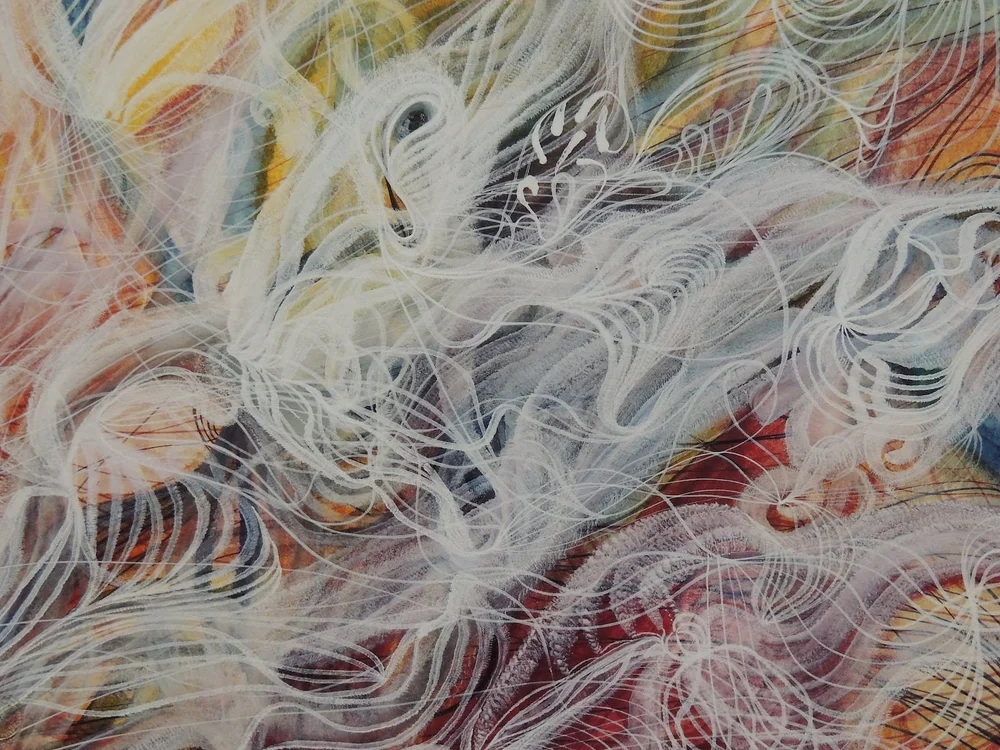
Within Spiritualism and related traditions, mediumship is understood as real communication with people who have died. As a scientific claim it remains unresolved: controlled studies have produced debated results, and survival after death has not been established as fact. Responsible teaching holds both of these truths at once.
A note from the founder
I studied mediumship as a student long before I began to teach it, and the question I hear most often is the simplest one: what is it, really? This guide is my answer, written as carefully as I know how. It sets out what the tradition teaches, what history records and what research can and cannot say, and it keeps those three things apart. You do not need to believe anything to read it. I ask only what mediumship itself asks of anyone who practises it: an open mind, and an honest one.
Understanding the relationship
The Medium, the Communicator and the Sitter
The word medium means something in the middle. In a mediumship sitting, three roles are commonly described.
-
Spirit communicator
The spirit communicator is the person believed to be communicating after death.
-
In the middle
Medium
The medium is the person undertaking the communication.
-
Sitter
The sitter is the person receiving the reading, often someone who knew or loved the communicator during their lifetime.
What is the medium actually doing?
Within Spiritualist practice, the medium learns to notice impressions that may arrive as images, words, sensations, emotions, memories or a direct feeling of knowing. Mediums do not usually describe seeing a figure with their eyes or hearing a voice in the room; most of the work is inward. The medium then tries to express those impressions as faithfully as possible, without adding to them. An impression is not automatically a fact. Its meaning may be uncertain; the sitter may recognise it, question it or not recognise it at all.
In other traditions, a medium may work through trance, inspiration, drawing or a practice of spiritual healing. These experiences are understood differently across traditions, so the language and expectations must be made clear rather than assumed.
What is the sitter’s role?
The sitter is not simply expected to agree. In evidential work, recognition belongs to the sitter. A responsible medium avoids feeding a person possibilities until one is accepted, avoids pressing for personal details, and remains willing to hear “no”. The sitter keeps their own judgment about both the information and what it means to them.
What a medium is not
-
Not a fortune-teller.
Mediumship as taught in the Spiritualist tradition is concerned with those who have died, not with predicting the future.
-
Not simply a psychic.
The two are related but distinct, as psychic awareness and mediumship explains further down this page.
-
Not a therapist or counsellor.
A sitting may bring comfort, but it is not grief counselling or any form of treatment.
-
Not someone who commands the dead.
In the tradition, communication is understood as offered rather than summoned, and no medium can promise that a particular person will come through.
History and context
A Long History, Many Traditions
Human beings have long told stories of ancestors, dreams, visions and encounters with the departed. Such accounts are very old and found across cultures: the Hebrew Bible tells of King Saul asking a woman at Endor to call up the prophet Samuel (1 Samuel 28), and in ancient Greece the priestess at Delphi spoke as the voice of the god Apollo.
It would be misleading, however, to describe every ancestral practice or spiritual tradition as mediumship in the modern Spiritualist sense. Each has its own vocabulary, history and authority. The word medium, in its present sense, belongs to the nineteenth century.

The ideas that came before
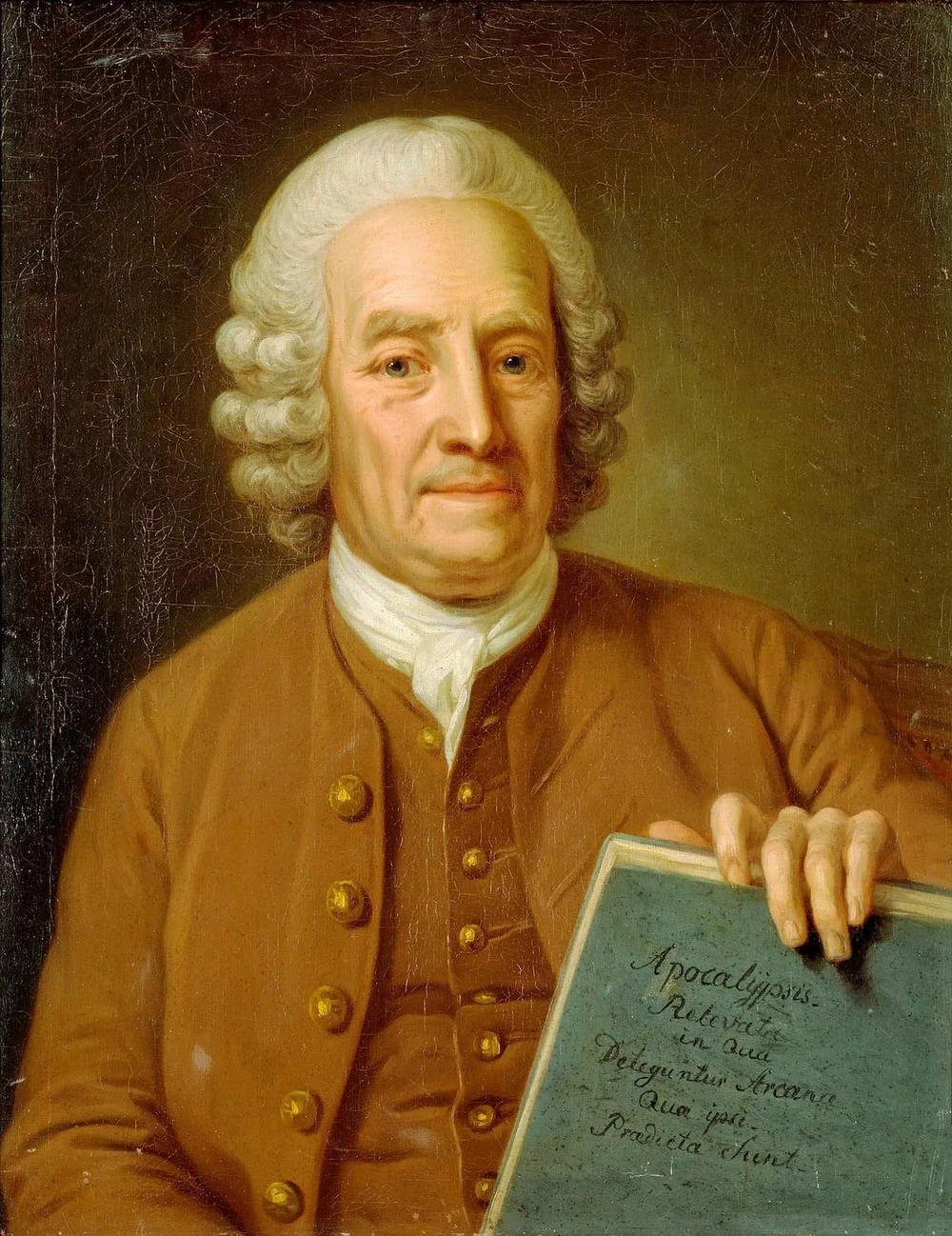
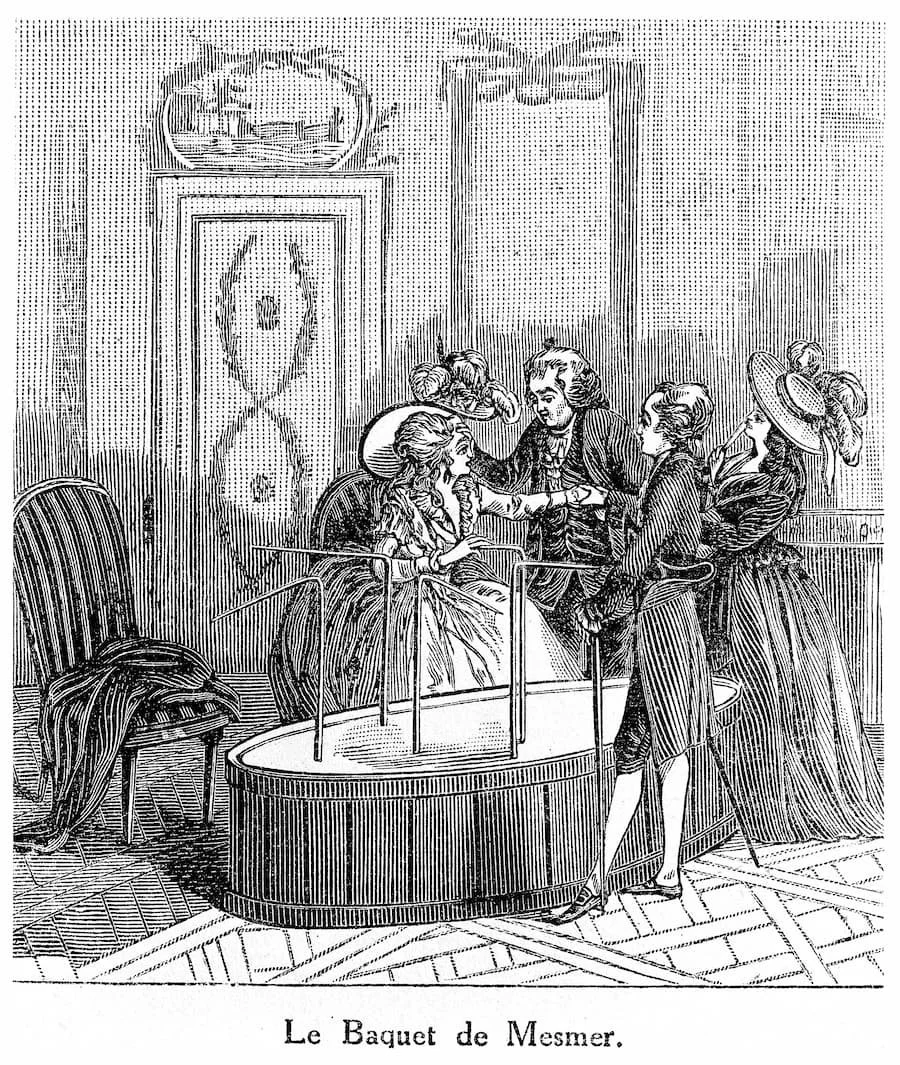
Modern Spiritualism drew on earlier thinkers. The Swedish scientist and mystic Emanuel Swedenborg (1688–1772) wrote at length about spiritual worlds he said he had visited. Franz Anton Mesmer (1734–1815) popularised trance states through what was later called mesmerism, a forerunner of hypnosis. In 1847 the American Andrew Jackson Davis published The Principles of Nature, which he said was dictated in trance.

Modern Spiritualism and the nineteenth century
The movement commonly called modern Spiritualism emerged in the United States. Events involving the Fox sisters in Hydesville, New York, in March 1848, when the young Kate and Margaret Fox were said to communicate with the source of unexplained knocking sounds, became its widely publicised starting point.
The claims were controversial from the beginning and remain historically contested: in 1888 Margaret Fox publicly said the sounds had been faked, and in 1889 she withdrew that confession. Their importance to the history of Spiritualism does not require us to accept every reported phenomenon as factual.
Spiritualism reached Britain in the early 1850s and developed into religious, philosophical and practical communities, including churches and development circles, in Britain, North America and elsewhere. The medium and speaker Emma Hardinge Britten set out a statement of belief that became the Seven Principles of Spiritualism.
A national body formed in Britain in 1890 and was incorporated as the Spiritualists’ National Union (SNU) in 1901. Different organisations formulated their own principles and methods, and the movement has never been entirely uniform in belief or practice.

Spiritism and Allan Kardec
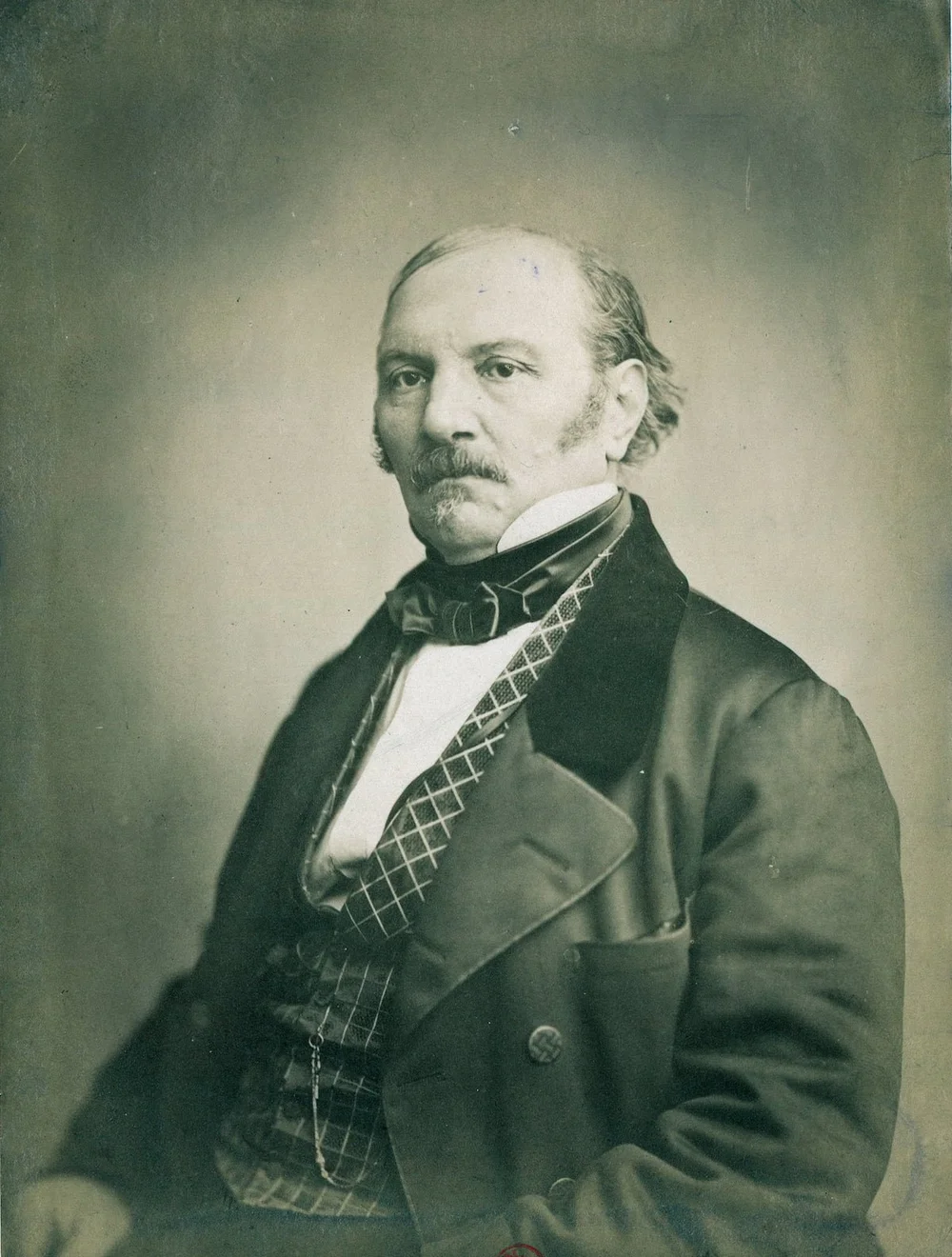
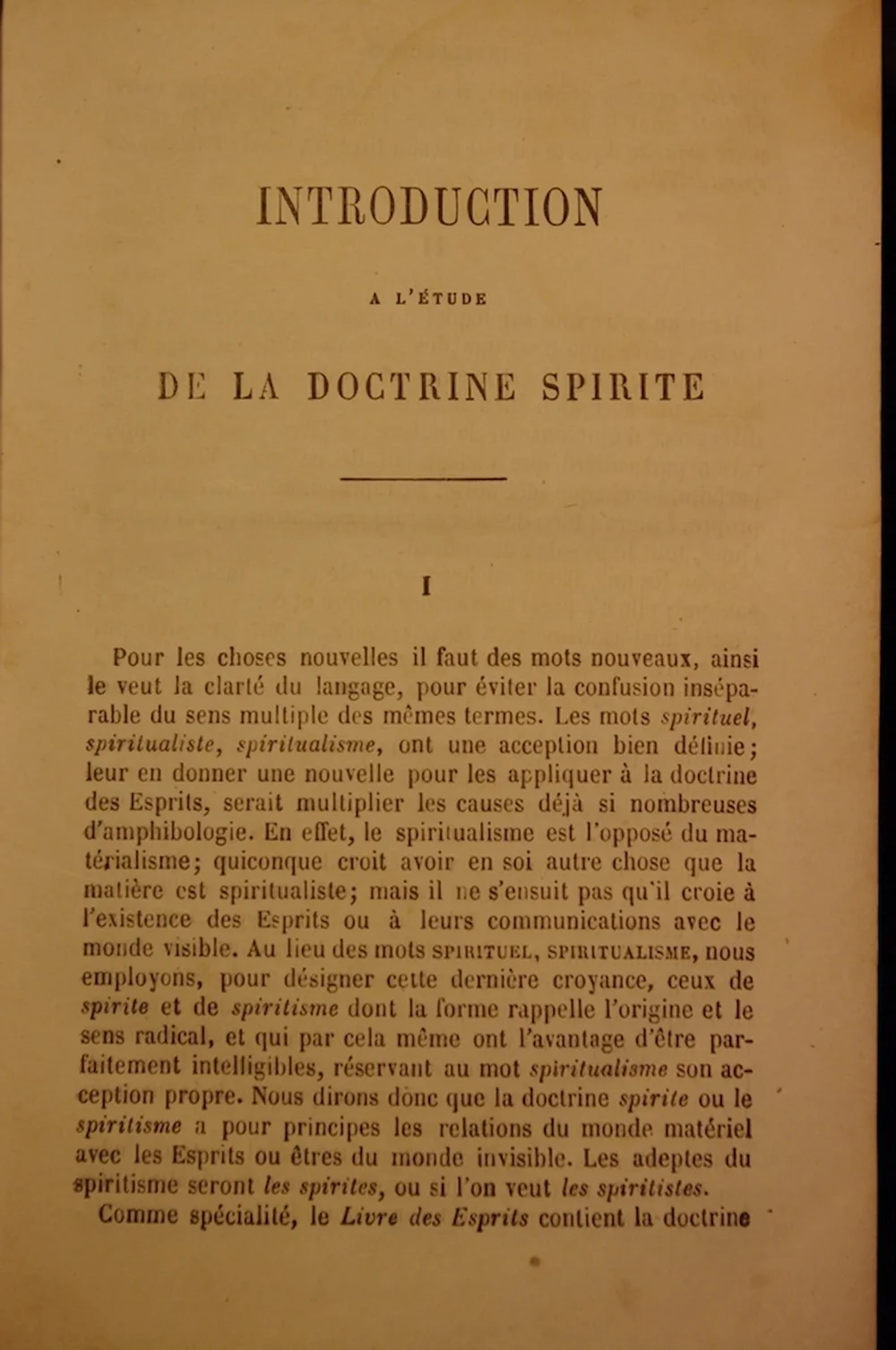
In France, the educator Hippolyte Léon Denizard Rivail, writing as Allan Kardec, developed Spiritism as a related but distinct body of teaching. The Spirits’ Book appeared in 1857, followed by The Mediums’ Book in 1861.
Kardec’s framework includes communication with spirits, reincarnation and an account of moral development, doctrines not shared in exactly the same way by all Spiritualists. Spiritism later became especially influential in Brazil and other parts of Latin America.
Mediumship and the history of inquiry
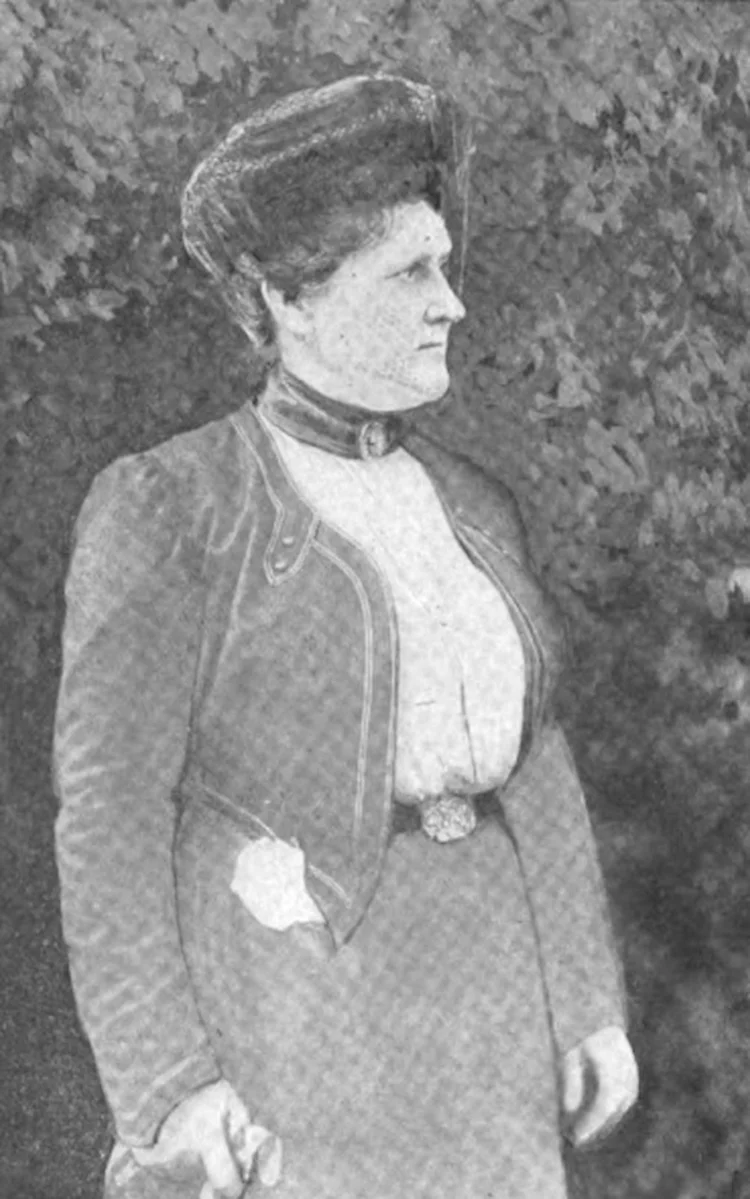
In 1882 the Society for Psychical Research was founded in London to investigate claims of telepathy, apparitions, mediumship and related experiences “in a purely scientific spirit”. Its members included people sympathetic to survival after death and people seeking other explanations; the American psychologist William James, for example, studied the Boston medium Leonora Piper for many years.
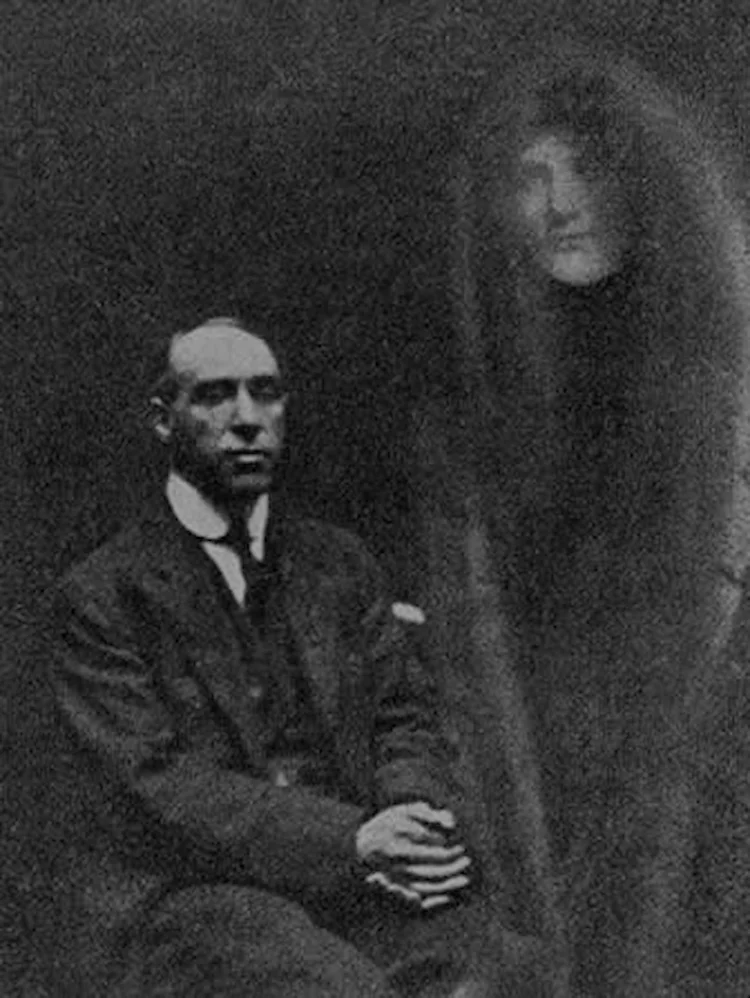
Investigators also uncovered deliberate fraud, especially in the séance-room phenomena of physical mediumship: a US commission reported widespread fraud in 1887, and in the 1920s the magician Harry Houdini campaigned publicly against fraudulent mediums. The history of mediumship includes sincere practitioners and documented deception, and an honest account holds both.
Mediumship today
Physical séance phenomena have become rare; most contemporary mediumship is mental mediumship, taught and discussed within spiritual communities, specialist colleges, historical scholarship and some scientific research settings.
Two of the best-known teaching institutions are in England. The College of Psychic Studies in London traces its heritage to nineteenth-century Spiritualist organisations, was founded as the London Spiritualist Alliance in 1884, and keeps significant historical archives, including mediumistic art. Arthur Findlay College, at Stansted Hall in Essex, was founded in 1964 when J. Arthur Findlay gave the hall to the Spiritualists’ National Union.
These contexts ask different questions. Studying the history helps us understand where a practice came from; it does not resolve every question about the cause of reported experiences.
Timeline
- 1740s–1770sSwedenborg writes of spiritual worlds
- 1770s–1780sMesmer popularises trance through “animal magnetism”
- 1847Andrew Jackson Davis publishes The Principles of Nature
- 1848Reported rappings at the Fox home, Hydesville, New York
- Early 1850sSpiritualism reaches Britain
- 1857Allan Kardec publishes The Spirits’ Book in Paris
- 1882Society for Psychical Research founded in London
- 1884London Spiritualist Alliance founded (today The College of Psychic Studies)
- 1888–1889Margaret Fox confesses to fraud, then withdraws the confession
- 1901Spiritualists’ National Union incorporated
- 1920sHoudini’s public campaign against fraudulent mediums
- 1964Arthur Findlay College founded at Stansted Hall
- 2000s onwardsControlled studies of mediums under blinded conditions
Traditions are not interchangeable
Spiritualism, Spiritism and the School’s Approach
Spiritualism and Spiritism share an interest in the continuity of life and reported communication between the living and those who have died. Yet they should not be treated as two names for the same system.
Spiritualism
Spiritualism is a religion in its own right, with churches, services, healing and ministers. Organisations within it differ among themselves. In Britain, the Spiritualists’ National Union bases its teaching on the Seven Principles:
- 1The Fatherhood of God
- 2The Brotherhood of Man
- 3The Communion of Spirits and the Ministry of Angels
- 4The Continuous Existence of the Human Soul
- 5Personal Responsibility
- 6Compensation and Retribution Hereafter for all the Good and Evil Deeds done on Earth
- 7Eternal Progress Open to every Human Soul
In a Spiritualist service, a demonstration of mediumship is offered in support of the fourth principle.
Spiritism
Spiritism, shaped by Kardec’s writing, has a more defined philosophical body of teaching, with a strong emphasis on reincarnation, moral progress through many lives, and charity.
Its largest following is in Brazil, where more than 3.8 million people identified as Spiritists in the 2010 national census, and where Spiritist centres often combine mediumship with healing and social work.
The School’s approach
The School of Mediumship teaches its evidential foundations with particular reference to established Spiritualist practice. We also recognise the importance of related Spiritist perspectives and the wider history of spiritual inquiry. Our educational aim is to explain the terms we use accurately and to give students a setting in which practices can be approached with respect and discernment.
You need not be a member of a Spiritualist church, or hold a particular religion, to read this guide.
Understanding a tradition does not require pretending all beliefs are the same, and respectful study does not require anyone to declare certainty about the afterlife.
Mediumship and Indian traditions
Ideas about the soul’s continuity run deep in India, from teachings on rebirth to rites that honour ancestors, such as śrāddha. Some regional traditions also include spirit possession and oracular practice.
These are sacred practices with their own meanings and authorities, and not every ancestral experience is an instance of mediumship in the modern Spiritualist sense. Mediumship, as taught at the School, is a separate discipline with its own history and methods, and we take care not to blur the two or to borrow the authority of one for the other.
A map of the field
The Major Forms of Mediumship
Mediumship is often discussed in overlapping categories. A form may describe how information is perceived, how a communication is expressed, or the setting in which it is offered.
A private evidential reading and a public demonstration, for example, may both involve mental mediumship, but their responsibilities are different.
What follows is a map, not a ranking of spiritual worth, and not a list of courses currently accepting applications. No form is a higher rung on a ladder.
-
01
Mental mediumship
Communication is experienced through the medium’s awareness, as inner imagery, words, emotions, sensory impressions or direct knowing, and is then described verbally or otherwise. It is the common foundation of contemporary evidential practice, and nearly all mediumship practised and taught today is mental mediumship. The word mental refers to the mode of perception, not to mental illness.
-
02
Evidential mediumship
Emphasises information a sitter can personally recognise about a communicator: their character, relationships, memories, familiar habits or distinctive experiences. It is most often taught as a form of mental mediumship. Its central discipline is not simply receiving a message, but working towards a recognisable, responsibly presented identity.
-
03
Trance mediumship
Involves an altered state in which the medium’s ordinary conscious involvement becomes quieter, to different degrees. Traditions describe practices such as trance speaking and what they call blending with spirit. Trance is not necessarily complete unconsciousness, and a deeper state does not automatically mean a more reliable communication. It requires a distinct training approach and supervision.
-
04Not taught at the School
Physical mediumship
A historical category for claims of phenomena said to be observable beyond the medium’s inner perceptions, such as raps, object movement, direct voice or materialisation. Reports have been intensely disputed and have included demonstrated fraud. The category belongs in a complete historical map, but claims of physical effects require especially careful investigation and should not be presented as established fact. The School does not teach physical mediumship.
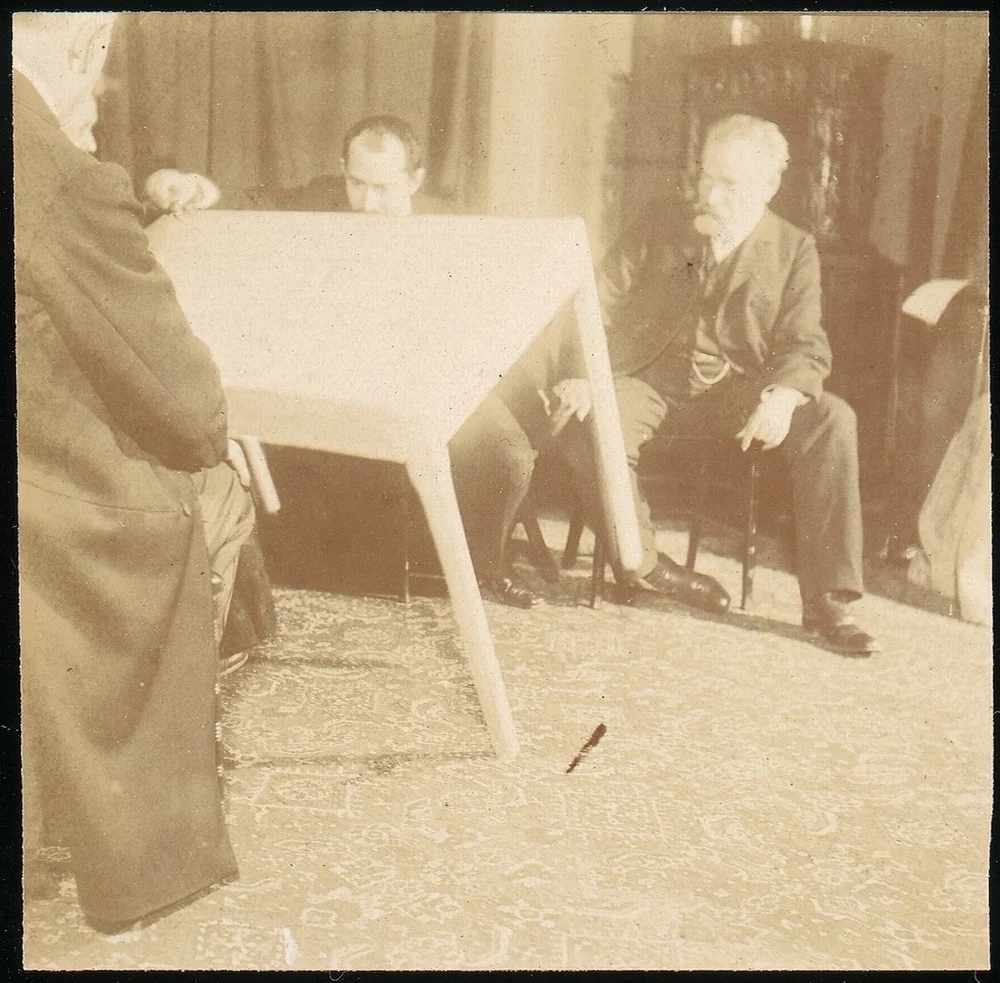
Jules Courtier, Séance with the Medium Eusapia Palladino (1907–08). The Metropolitan Museum of Art. Historical documentation of a séance investigation, not confirmation of paranormal effects.Jules Courtier. The Metropolitan Museum of Art, Gilman Collection, 2001.17a,b. CC0. -
05
Healing mediumship
In Spiritualist practice, healing mediumship involves spiritual intention and a receptive role for the practitioner; some traditions include healing in trance. The term describes a spiritual approach, not a medical treatment. Spiritual care must never replace diagnosis, medication or professional healthcare, and no clinical outcome should be promised.
-
06
Spirit art and art mediumship
Practitioners may work through portraiture, drawing, colour or symbolism. An artwork may be offered as intuitive or inspirational expression, or it may be associated with a claim of recognisable evidence. Those are different claims and should be communicated honestly. Spirit art also has a documented nineteenth-century history.
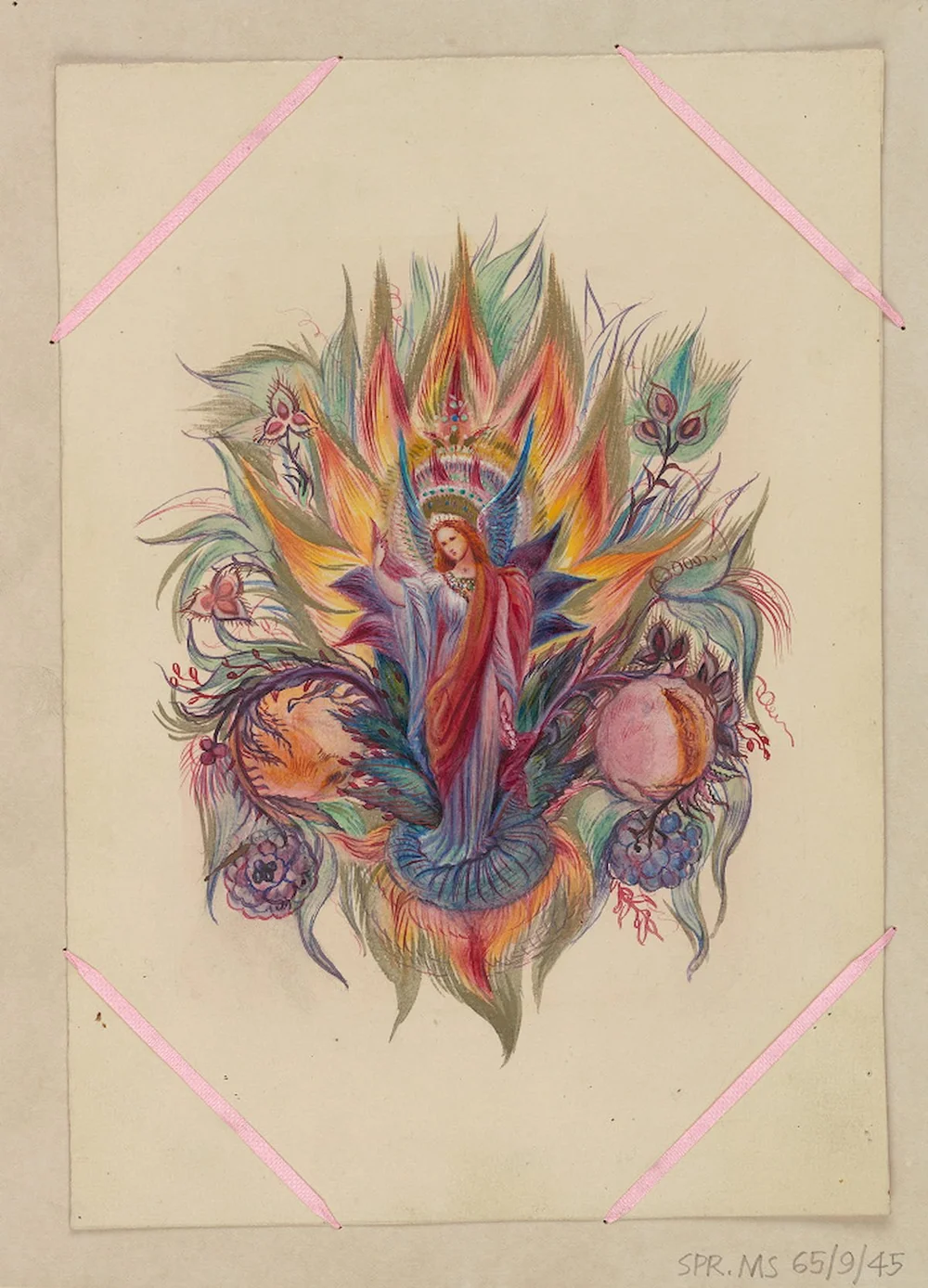
Anna Mary Howitt, spirit drawing (mid-nineteenth century). Howitt, a painter and writer associated with the Pre-Raphaelite circle, described such drawings as made under spirit guidance; shown here as a historical example of art within Spiritualist practice.Anna Mary Howitt (1824–1884). Public domain, via Wikimedia Commons. -
07
Inspirational speaking and writing
Some practitioners describe words or ideas that arise in a receptive, inspired state, including speaking, writing or philosophy they attribute to spiritual sources. Inspirational material can be moving and valuable to a listener, but its impact is not the same as establishing a particular spirit communicator.
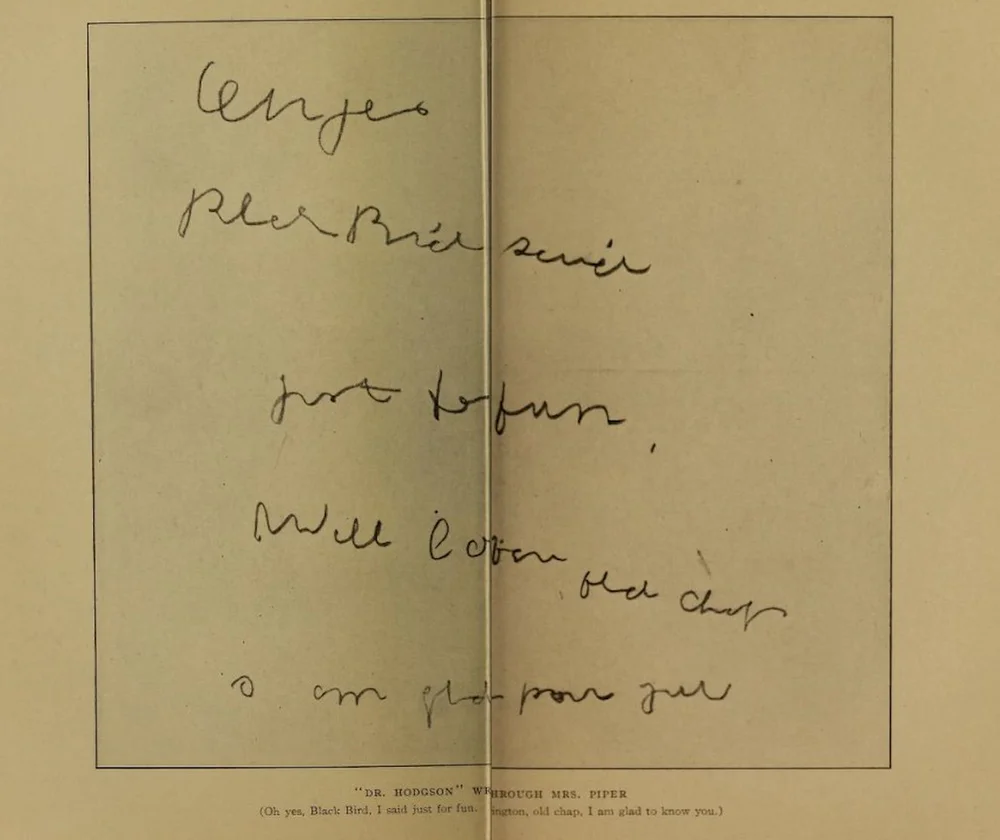
Automatic writing attributed to Leonora Piper, reproduced in Théodore Flournoy’s Spiritism and Psychology (1911). Its claimed source was disputed; the page is shown as a historical record.Published 1911. Public domain, via Wikimedia Commons. -
08
Private sittings and public demonstrations
These describe settings rather than separate perceptual faculties. A private sitting allows more time and privacy; a public demonstration adds responsibilities towards the audience, the recipient, consent, emotional sensitivity and clear presentation. Training for one setting should not be assumed to prepare someone for the other.
Different forms of mediumship can overlap, but they deserve distinct definitions, expectations and, where taught, appropriate training. The School’s planned specialist pathways are described on our Training page and should not be mistaken for courses already open.
An important distinction
Psychic Awareness and Mediumship: Related, Not Identical
Psychic awareness and mediumship are often spoken about together, but many Spiritualist teachers make an important distinction.
Psychic perception is commonly described as receiving impressions about a living person, a place, a relationship or a situation. Mediumship involves communication attributed to an individual in the spirit world.
Both may be described through images, feelings, words or a sense of knowing. The way an impression appears does not automatically reveal its source. That is why a mediumship student needs more than confidence in their sensitivity: they need to examine whether the information points towards a coherent communicator, rather than merely reflecting what may be inferred about the sitter.
Psychic awareness
Mediumship
An example
Why the distinction matters
Suppose a practitioner senses that someone is worried about a family relationship. That may be experienced as intuition or psychic perception.
It does not, by itself, establish a deceased communicator. A mediumistic communication would seek to develop who is being described, through recognisable life details and a meaningful connection to the sitter, not simply offer advice that could apply to many people.
Learning the difference
In training, this distinction is explored through honest description, feedback and critical reflection.
It is not an invitation to disparage psychic development or any other discipline. It is a way of naming the particular work a medium claims to be doing.
The language of perception
How Mediumistic Impressions Are Described
Mediums often use words beginning with clair, from the French for “clear”, to describe how an impression is experienced.
In most cases these are inward experiences rather than literal sensory events in the room. A medium may describe an image, a remembered voice, a bodily feeling, or information that seems to arise without a visible chain of reasoning.
Clairvoyance
An image, scene, face, object or visual symbol experienced inwardly; in some accounts, an apparent external vision.
Clairaudience
Words, names, music or sounds experienced as inner hearing or, more rarely, as if heard externally.
Clairsentience
A feeling, emotional tone, bodily sensation or sensed aspect of personality.
Claircognisance
An impression experienced as direct knowing, without a clear sensory form.
Clairalience and clairgustance
Impressions described through smell or taste; terminology and usage vary among teachers.
These descriptions help students recognise and communicate the character of their experience. They are not proof of an external source.
A vivid image may still be misunderstood; a subtle feeling may be interpreted too quickly. Responsible practice begins by describing what actually arose rather than enlarging it into a story.
Development practice
What about meditation and “sitting in the power”?
Sitting in the power is a recognised Spiritualist development practice involving stillness, attention, and awareness of one’s own spirit and of spiritual presence. Teachers approach its language and emphasis differently.
It is not a device for producing dramatic experiences; it is part of cultivating the composure, presence and consistency that practice requires.
Meaning in the tradition
A short glossary
- Sitting (reading)
- A session in which a medium works for a sitter, privately or in a small group
- Demonstration (platform work)
- Mediumship given publicly, often in a Spiritualist service
- Evidence
- Specific, recognisable information that helps the sitter identify the communicator
- Message
- Meaning or guidance offered after evidence has been established
- The power
- The tradition’s term for the spiritual energy or presence a medium works with
- Blending
- The medium’s sense of drawing close to, and attuning with, a communicator
- Development circle
- A regular group in which students sit together under a teacher to develop over time
Evidence and recognition
What Counts as Evidence in Evidential Mediumship?
In evidential mediumship, the medium attempts to offer information that a sitter can recognise as relevant to a particular person who has died.
Such information may concern personality, characteristic language, a relationship, a familiar occupation, a treasured possession, a shared memory or a distinctive event.
Specificity matters, but so does context.
There was love in the family
is a broad statement that could fit many people.
A connected account of a person’s characteristic humour, a meaningful routine and a particular family relationship gives the sitter more to assess.
Names and dates can be useful when they arise, but neither should be treated as the sole measure of a responsible sitting.
Evidence is not the same as a message.
A reassuring message may feel meaningful, yet it does not necessarily help establish who is understood to be speaking. Evidential practice asks the medium to work towards identification before relying on consoling or inspirational statements.
This is especially important when a sitter is grieving or hoping to hear from someone in particular.
The sitter validates; the medium does not declare success.
The medium offers information; the sitter decides what they recognise. Recognition can be immediate, partial, absent or, sometimes, reported later. Later recognition should not be assumed in advance, and an unrecognised detail must remain open to the possibility of error.
A medium should never pressure a sitter into an answer, or reinterpret each “no” until it becomes a “yes”.
Within the discipline, sitter-recognised information is called evidence because it helps the sitter evaluate a proposed communicator. In scientific research, the word evidence is used under different controls. A recognisable detail in a sitting cannot, by itself, establish that the deceased is the unique source of the information.
Let the evidence come first, and let the sitter decide what they recognise.
From preparation to closure
What Happens During a Mediumship Sitting?
A private sitting is a meeting in which a medium offers a communication to a sitter.
Customs vary by teacher and tradition, and no sequence guarantees that communication will occur.
A responsible sitting nevertheless benefits from clear expectations and a thoughtful beginning, middle and end.
Before the sitting
The format, consent, confidentiality, duration and what cannot be guaranteed are explained. A sitter should never feel obliged to share more than they wish.
Preparation
The medium settles their attention, establishes a respectful working approach, and does not demand that a particular communicator appear.
Communication and evidence
The medium describes impressions, develops connected details where possible, and lets the sitter respond without being led.
Meaning and messages
A communication may include reflective or affectionate content once the communicator has been explored; it should never turn into frightening predictions or instructions about important life decisions.
Closure
The sitting ends clearly. The sitter may accept, question or set aside what was said, without pressure to book more readings.
In public
A public demonstration needs additional safeguards.
A person in an audience has not necessarily agreed to discuss private details publicly, and unexpected information about a death can be distressing. The responsibilities of public demonstration deserve dedicated preparation, beyond learning to give a private sitting.
Read our Ethics & Safety standardsNot every experience is mediumship
Unusual Experiences, Dreams and the Sense of Presence
Some people become interested in mediumship after a vivid dream, a sense of presence, an unusual coincidence, or an experience they understand as contact with someone who has died. These experiences can be deeply meaningful. They can also be difficult to interpret, especially during grief.
Research on bereavement shows how common they are. A 2020 interdisciplinary review found that, across studies, between 47% and 82% of bereaved people report at least one experience of sensing, seeing, hearing or dreaming of someone they have lost.
Such experiences are reported across cultures; most are described as comforting, while a minority are unsettling. The reviewers concluded that the great majority are benign and warned against treating them as signs of illness. Nor, on their own, are they proof of communication from the deceased.
Continuing bonds
Bereavement researchers have also moved away from the idea that healthy grief always means “letting go”. Since the 1990s, many have described continuing bonds: bereaved people often stay connected to the person who died, through memory, ritual or a felt sense of presence, as a normal part of grieving.
Experience and skill
An experience can deserve tenderness and respect even when its explanation remains open.
Someone who has had one extraordinary experience has not necessarily developed the skills required to offer readings to others. Mediumship training, where chosen, involves learning to assess impressions, work with feedback and take responsibility for another person’s experience.
If experiences are frightening, persistently distressing or interfere with daily life, seeking appropriate health or psychological support is sensible. Spiritual exploration should never prevent anyone from receiving care.
Where to find supportExperience, explanation and evidence
Mediumship and Scientific Research: What Can We Say?
Mediumship has attracted scientific and scholarly interest for more than a century.
Researchers have studied the history of Spiritualist movements, the psychology of unusual experiences, reports of bereaved people sensing the deceased, and experiments testing the accuracy of information given by mediums. People who come to mediumship deserve an honest account of that work, from neither a believer’s nor a sceptic’s script.
What can be tested
Science cannot directly test whether a communication comes from someone who has died. What researchers can test is narrower: whether mediums produce accurate, specific information about a deceased person when every ordinary source of that information has been removed.
That means no contact with the sitter, no cues, no prior research, and scoring by people who do not know which reading is theirs.
What have controlled studies found?
Results point in different directions.
A study that found no effect
In 2005, the psychologists Ciarán O’Keeffe and Richard Wiseman published a test in the British Journal of Psychology in which five professional mediums gave readings for five sitters under controlled conditions. Sitters rated statements from all the readings without knowing which were meant for them. The researchers found no evidence of genuine mediumistic ability.
Studies that reported positive results
Researchers at the Windbridge Research Center in the United States have used stricter, multi-blind procedures. In a 2015 study in Explore, 20 tested mediums gave readings under conditions in which the mediums, the sitters and three experimenters were each kept unaware of key information. In 58 forced choices, sitters picked the reading meant for them 65.5% of the time, against 50% expected by chance.
An Italian research group led by Patrizio Tressoldi has also published triple-blind studies reporting positive results, and a 2021 meta-analysis, which pooled earlier experiments, argued that the experimental literature supports what researchers call “anomalous information reception” by mediums.
Reading the results honestly
Those findings are not a scientific consensus that the dead communicate through mediums.
Individual studies have sample-size and design limitations, researchers disagree about the strength and interpretation of the evidence, and supporters and critics alike accept that information accuracy does not identify its source. Even a well-controlled positive result shows only that accurate information was produced; it cannot show where the information came from.
Some researchers argue it could come from the living by some unknown means rather than from the dead. This is known as the “source problem”, and current methods cannot resolve it. Explanations discussed in the literature include ordinary inference, chance, unrecognised information leakage, psychological influences, and interpretations involving anomalous cognition or survival after death. No single study settles them.
Ordinary explanations every student should understand
Psychologists have documented how convincing a reading can seem without any unusual ability:
The Barnum effect
In a 1949 classroom study, psychologist Bertram Forer gave 39 students what he said were personal profiles. All received the same text, taken from an astrology book, and rated it on average 4.3 out of 5 for accuracy.
Cold reading
Drawing information from a sitter’s appearance, reactions and answers, often without either person noticing.
Selective memory
Sitters tend to remember the hits and forget the misses.
Fraud
Deliberate deception has been documented throughout the history of mediumship.
A serious student learns these explanations not to dismiss the work, but because evidential practice is designed to stand apart from them: no fishing, no leading questions, no vague statements, and honest acknowledgement of what is not recognised.

Recognition in a sitting is not a controlled test
In an ordinary sitting, a person may recognise something specific and find it important. That experience has personal significance.
In an experimental study, investigators must also consider whether information could have been obtained by ordinary means, how responses are scored, what a control reading contains, whether judges are blinded, and whether results are replicated independently.
Historical inquiry and ongoing debate
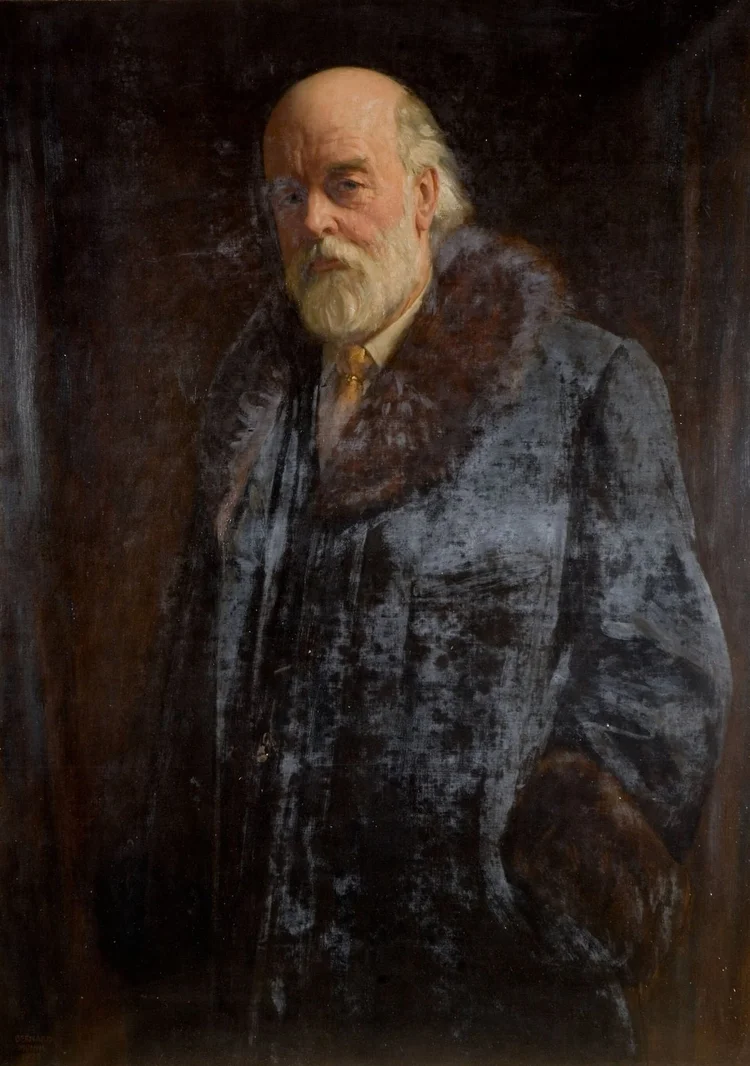
The Society for Psychical Research, established in 1882, counted the physicist Sir Oliver Lodge among its presidents (1901–1903) and still provides a forum for research and debate, and states that it holds no corporate view on whether such phenomena exist or what they mean.
That spirit of inquiry is useful here: beliefs can be stated as beliefs, historical claims can be checked against records, and experiences can be approached without manufacturing certainty.
The School’s position
The School teaches evidential standards within its spiritual tradition. It does not claim that a student’s sitting is a scientific experiment, or that research has established any particular metaphysical mechanism.
Equally, it does not need to dismiss the experiences of practitioners and sitters to acknowledge open questions. Intellectual honesty is part of respecting both.
Care for the sitter
Ethics, Boundaries and the Responsibility of a Medium
Because mediumship may involve bereavement, personal memories and deeply held beliefs, the quality of a reading cannot be measured by how extraordinary it sounds. How someone is treated matters.
Good practice begins with respect for the sitter as a person, rather than as an audience for the medium’s abilities.
Grief makes people vulnerable, and history shows what happens when mediumship is practised without ethics: frightening messages, false promises, pressure to return and pay again, or advice on health, money and relationships that a medium has no standing to give.
Five standards
Consent and agency
Explain the nature of the sitting. Let the sitter choose whether to participate, what to share and whether to continue.
Confidentiality and discretion
Protect private information, and obtain explicit permission before sharing stories, images, recordings or identifiable details.
No fear or dependency
Never frighten people with supposed threats, demand repeated paid readings, or suggest they must return to avoid harm.
Honesty about limits
Never guarantee a named communicator, a precise outcome or permanent reassurance. Acknowledge uncertainty and non-recognition.
Respect professional boundaries
Mediumship is not a substitute for clinical diagnosis or treatment, legal or financial advice, or bereavement counselling.
These standards also apply when the medium is a student.
A training circle is not an exemption from consent, privacy or responsibility. Certificates should say what programme requirements were completed, not claim mastery or a professional licence that the training does not provide.
A note on the law
Society has long been concerned with fraud in this field.
In Britain, the Witchcraft Act 1735 was replaced in 1951 by the Fraudulent Mediums Act, which was itself repealed in 2008 when general consumer protection regulations began to apply to mediums as to any other service. Ethical mediums welcome this: honesty with the public is the foundation of the work.
From experience to practice
Can Mediumship Be Learned? What responsible training involves
Mediumship education is not simply learning the names of the clairs or collecting inspiring experiences. It involves practice, careful observation and the ability to work respectfully with another person.
Beginners come from very different backgrounds; having unusual experiences is neither a guarantee of mediumistic ability nor necessarily a prerequisite for beginning foundation study.
In the established traditions, mediumship is learned slowly.
Students often begin in a development circle under an experienced teacher, sometimes for years, and many go on to residential courses at teaching colleges. A medium would normally train for a long time before working with the public, and many teachers regard development as lifelong.
What a student should expect from a serious training programme
- 01
The tradition
An accurate introduction to the tradition, its language, and the difference between psychic and mediumistic awareness.
- 02
Preparation and presence
Preparation and presence, including practices such as sitting in the power, taught without insisting on dramatic results.
- 03
Supervised practice
Supervised partner exercises, with time to distinguish perception, interpretation and feedback.
- 04
The sitting
Gradual development of a sitting’s structure, communication skills, consent and care for the sitter.
- 05
Clear requirements
Clear statements of attendance, practice and assessment requirements, with further development encouraged after the course.
At The School of Mediumship
Practical mediumship training is taught in person.
This is our own educational choice, not a judgment on other providers. Our current Evidential Mediumship Level 1 foundation is residential, with a small cohort and sustained teacher observation.
The School may also offer online knowledge sessions on particular subjects; these are informative talks, not a substitute for the School’s in-person practical training.
Explore our training approach and pathwaysAbout the certificate
A Certificate of Completion records participation and the demonstrated application of defined learning requirements. It is not a universal licence, an endorsement by a college where the faculty studied, or proof that a student is ready to work as a professional medium.
Straight answers
Frequently Asked Questions About Mediumship
Something not answered here? Ask us; we usually reply within 24 hours.
01The basics
Is mediumship real?
Mediumship is a real practice with a long history, and many people report meaningful experiences of it. Whether it involves genuine communication with the dead has not been established scientifically; controlled studies have produced conflicting results, and the question remains open. Within Spiritualism, it is understood as real contact with those who have died.
Is mediumship a religion?
Mediumship is a practice, not a religion. It is central to Spiritualism and Spiritism, which are religions, but many people today study it as a spiritual discipline without joining either.
Is mediumship the same as a psychic reading?
Not in the terminology used by many Spiritualist teachers. Psychic work commonly concerns impressions about living people or situations; mediumship involves communication attributed to a spirit communicator. Both may use similar perceptual language, so responsible training teaches the distinction.
Is mediumship the same as fortune-telling?
No. Fortune-telling claims to predict the future. Mediumship, as taught in the evidential tradition, is concerned with those who have died and with evidence of who they were, not with prediction.
02How it works
Is evidential mediumship different from other mediumship?
It is a particular emphasis, usually within mental mediumship, on information a sitter can recognise about a communicator. Other forms may focus on inspiration, altered states, spiritual healing, art or public demonstration.
Does a medium need to see or hear spirits physically?
No. Mediums often describe inner impressions: words, images, feelings or a sense of knowing. Experiences vary. A dramatic sensory experience is not necessary, and no impression alone proves its source.
Who is a sitter?
The person receiving a reading. In evidential mediumship, the sitter decides which details they recognise; they should never be pressured to confirm a statement.
Can a medium contact a particular person on request?
No responsible medium can promise that. In the tradition, communication is understood as offered rather than summoned, and a sitting may bring through someone unexpected, or no one the sitter recognises.
Is trance mediumship the same as mental mediumship?
Trance is usually discussed as an altered-state form within mediumship classifications, but its methods and degree of conscious involvement differ, and terminology varies by tradition. It deserves specialised study.
Is physical mediumship the same as a physical sensation during a reading?
No. Physical mediumship refers to historical claims of externally observable phenomena. Feeling an emotion or bodily sensation while working usually falls under the language of clairsentience.
What if a piece of information is not recognised?
It remains unrecognised. A responsible medium does not force a match or insist that the sitter will remember it later. In training, such moments are opportunities to examine interpretation and possible error.
03Belief, evidence and grief
Can mediumship prove that life continues after death?
Spiritualist and Spiritist traditions understand mediumship as supporting the continuity of life. Scientific claims about survival remain debated, and an ordinary reading does not settle the question.
Do I need a particular religious belief to learn about mediumship?
No particular belief is needed to read about and understand the subject. A training programme should explain the tradition within which it works and state any participation requirements clearly.
Are dreams or a sense of a loved one’s presence signs of mediumship?
They can be meaningful experiences, and they are common in ordinary grief, but they are not proof that someone is a medium. Their interpretation varies with culture, personal history and context.
Can mediumship help someone who is grieving?
Some people report comfort or meaning from a reading; others find it unsettling. A medium must never promise healing, a specific contact or relief from grief, and a sitting is not grief support. If you are struggling, speak first to someone trained to help.
04Learning mediumship
Can anyone learn mediumship?
Teachers in the tradition generally hold that many people can develop some sensitivity with patient, supervised practice, while ability and pace vary greatly. What anyone can learn is the discipline: careful perception, honest communication and ethical care. No course can guarantee mediumistic ability.
Can I begin training with no previous experience?
The School’s Level 1 programme welcomes adult beginners, subject to its published suitability, residential and participation requirements. Earlier training in hypnotherapy, shamanism or other Soul Consciousness Lab® disciplines is not required.
Is a weekend workshop enough to become a professional medium?
A short experience may introduce concepts, but it cannot responsibly be treated as proof of professional readiness. The School emphasises sustained, supervised practice and continuing development.
What is the difference between a Certificate of Completion and professional accreditation?
A Certificate of Completion records defined learning and assessment requirements met at the School. It does not grant a licence, guarantee mediumistic ability, or imply accreditation by the colleges where the faculty trained.
A reference, not a sales pitch
Continue Exploring Mediumship
Understanding mediumship begins with asking good questions: what is being described, what tradition does it come from, how does a medium work with another person’s recognition, and what remains uncertain?
This guide is a starting point for those questions, not a request to accept a conclusion in advance. The School’s dedicated reference pages examine the major forms of mediumship, evidential practice and the distinction between psychic awareness and mediumistic communication. The first two are now published; the third will be linked here when it is ready.
Types of Mediumship
Mental, physical, trance, healing, art and inspirational forms in depth.
Read the guide →Evidential Mediumship Explained
How a sitter evaluates recognisable information, and why messages and evidence differ.
Psychic Awareness and Mediumship
Similarities, distinctions and responsible source attribution.
Developing the practice
For readers interested in developing the practice in a supervised setting, our Training Pathways page describes the School’s present residential foundation and planned areas of specialist study, clearly distinguishing what is available from what is still in development.
References
Sources
Sources are listed so readers can check our account. Listing a source is not an endorsement, and no institution named here endorses the School.
History and traditions
- Byrne, G. A. Modern Spiritualism and the Church of England, 1850–1939: “Spiritualism in Context”. Cambridge University Press.
- Smithsonian Magazine (2012): The Fox Sisters and the Rap on Spiritualism
- Society for Psychical Research, Psi Encyclopedia: Fox Sisters
- Psi Encyclopedia: Allan Kardec
- Society for Psychical Research: History and About the SPR
- Spiritualists’ National Union: Emma Hardinge Britten and the Seven Principles; The Arthur Findlay College
- The College of Psychic Studies: Our Heritage; Our Archives
- National Spiritualist Association of Churches (US): Mediumship; Spiritualism Explained
- The Bible, 1 Samuel 28
- Overviews used to cross-check dates: Wikipedia, Spiritualism (movement) and Fraudulent Mediums Act 1951
Teaching and terminology
- The College of Psychic Studies: What is the difference between psychic and mediumship?
Research
- O’Keeffe, C. & Wiseman, R. (2005). Testing alleged mediumship: Methods and results. British Journal of Psychology, 96(2), 165–179. Record
- Beischel, J. & Schwartz, G. E. (2007). Anomalous information reception by research mediums demonstrated using a novel triple-blind protocol. Explore, 3(1), 23–27.
- Beischel, J., Boccuzzi, M., Biuso, M. & Rock, A. J. (2015). Anomalous information reception by research mediums under blinded conditions II. Explore, 11(2), 136–142. Full text
- Sarraf, M., Woodley of Menie, M. A. & Tressoldi, P. (2021). Anomalous information reception by mediums: A meta-analysis of the scientific evidence. Explore. PubMed
- Tressoldi, P. et al. (2022). Mediumship accuracy: a quantitative and qualitative study with a triple-blind protocol. Explore. PubMed
- Tressoldi, P. et al. Is there someone in the hereafter? Omega: Journal of Death and Dying. PubMed
- Psi Encyclopedia: Mental Mediumship Research
- Forer, B. R. (1949). The fallacy of personal validation. Journal of Abnormal and Social Psychology, 44(1), 118–123.
- Roe, C. A. & Roxburgh, E. C. (2013). An overview of cold reading strategies. In C. Moreman (Ed.), The Spiritualist Movement, Vol. 2. Praeger. Record
Grief and experience
- Kamp, K. S. et al. (2020). Sensory and quasi-sensory experiences of the deceased in bereavement: An interdisciplinary and integrative review. Schizophrenia Bulletin, 46(6), 1367–1381. Full text
- Klass, D., Silverman, P. R. & Nickman, S. L. (Eds.) (1996). Continuing Bonds: New Understandings of Grief. Taylor & Francis.
- American Psychological Association: Grief
Image sources
- HeroGeorgiana Houghton, The Love of God (1868). Georgiana Houghton (1814–1884). Public domain, via Wikimedia Commons.
- HistorySalvator Rosa, Saul and the Witch of Endor (1668). Musée du Louvre. Public domain, via Wikimedia Commons.
- HistoryPer Krafft the Elder, Emanuel Swedenborg (c. 1766). Public domain, via Wikimedia Commons.
- HistoryLe Baquet de Mesmer (1780s). Wellcome Collection. Public domain, via Wikimedia Commons.
- HistoryThomas M. Easterly, Kate and Maggie Fox (1852). Missouri History Museum. Public domain, via Wikimedia Commons.
- HistoryEmma Hardinge Britten, portrait published 1884. Public domain, via Wikimedia Commons.
- HistoryAllan Kardec, nineteenth-century portrait. Gallica / BnF. Public domain, via Wikimedia Commons.
- TraditionsAllan Kardec, Le Livre des Esprits (1857), introduction. Public domain, via Wikimedia Commons.
- FormsJules Courtier, Séance with the Medium Eusapia Palladino (1907–08). The Metropolitan Museum of Art, Gilman Collection, 2001.17a,b. CC0.
- FormsAnna Mary Howitt (1824–1884), spirit drawing. Public domain, via Wikimedia Commons.
- FormsAutomatic writing attributed to Leonora Piper, published 1911. Public domain, via Wikimedia Commons.
- ResearchLeonora Piper, Pearson’s Magazine, 1907. Public domain, via Wikimedia Commons.
- ResearchJohn Bernard Munns, Sir Oliver Lodge (1923). Birmingham Museums Trust. CC0.
- ResearchWilliam Hope, “spirit photograph” with Harry Price (1922). William Hope (d. 1933). Public domain, via Wikimedia Commons.
- ResearchHarry Houdini performance poster. Public domain, via Wikimedia Commons.
Images are shown as historical material. Showing a work held by a museum, library or college does not mean that institution endorses the School.